George Otto Gey Spins Glass Tubes Through Twenty Years Of Failure
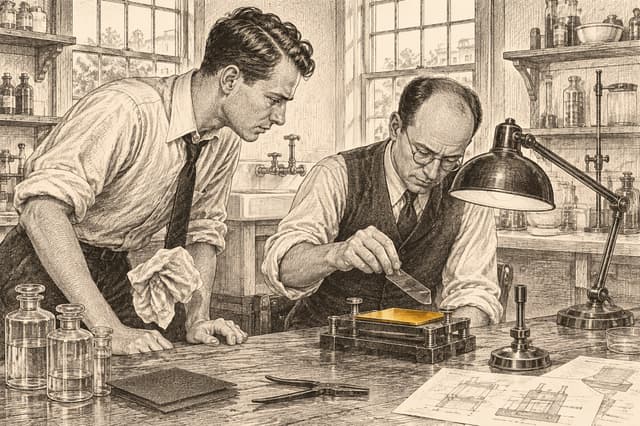
Starting in 1933 in a cramped laboratory in the Dispensary Building at Johns Hopkins Hospital in Baltimore, former Pittsburgh carpenter and bricklayer George Otto Gey and his wife Margaret set out to grow a continuous human cell line outside the body so cancer drugs could be tested in glass.
Every human culture they plated died within days or weeks.
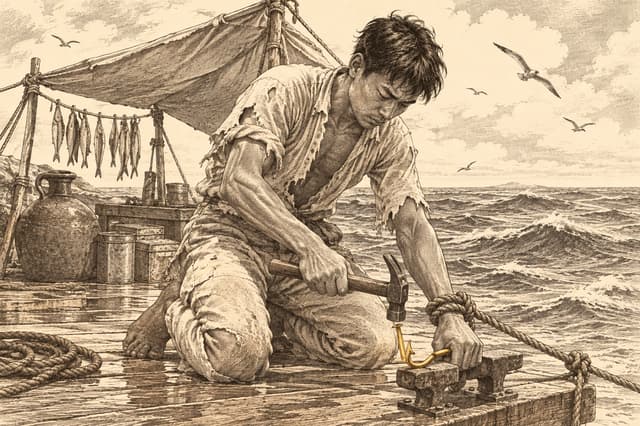
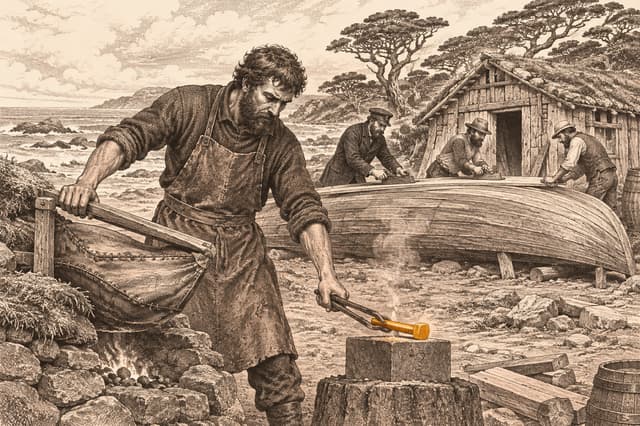
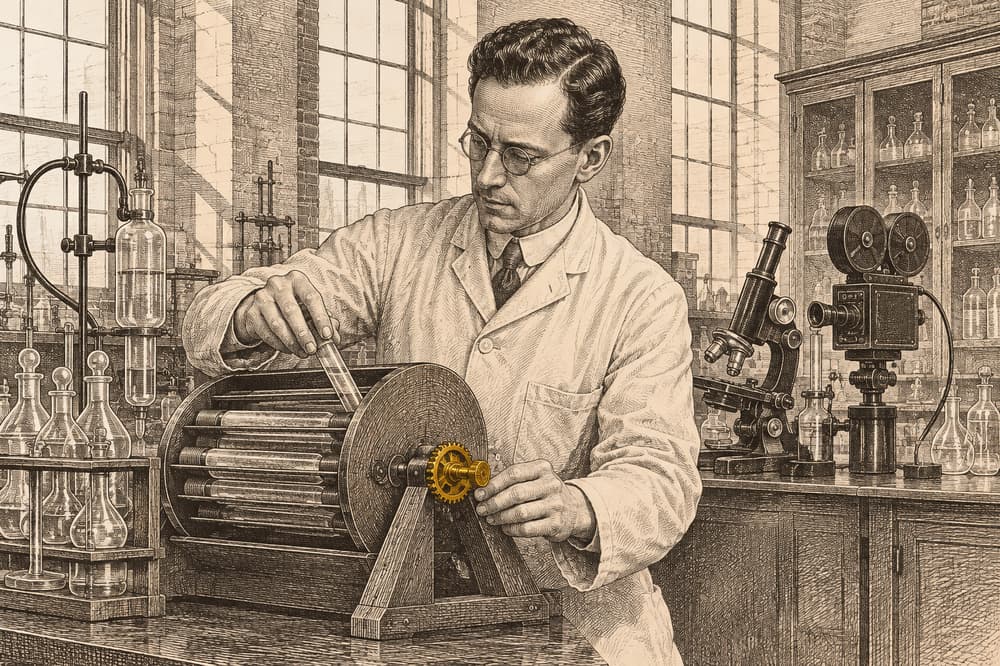
Instead of quitting, Gey built his own hardware out of scrap metal and timber. He constructed a large wooden cylinder called a roller drum bored with slots for home-blown glass tubes, turning one slow revolution per hour around the clock so warm liquid washed across tissue fragments and drained back so the cells could breathe. Week after week he walked over to the maternity ward for umbilical-cord blood and hauled calf embryo extract and chicken heart fluid back from Baltimore slaughterhouses to keep the broth fresh.
Across eighteen years, every human line still died, including 30 straight cervical tumor biopsies sent down from surgery.
On February 8, 1951, research assistant Mary Kubicek cut tiny squares from biopsy sample 31, taken during radium treatment from 31-year-old Black patient Henrietta Lacks, and slid the glass tubes into Gey's spinning wooden drum expecting one more dead batch. Within days those cells doubled every 20 to 24 hours, giving Jonas Salk the mass human testing platform that proved the polio vaccine worked.
You don't get the breakthrough on attempt number 31 without the eighteen years of failure, washing dirty glass tubes tha has failed to bring forth life.
Daily preparation is the antidote to those long dry spells where it feels like failure is the only outcome that's possible. Do the work.